
Top Signs Your Compressor Is Failing
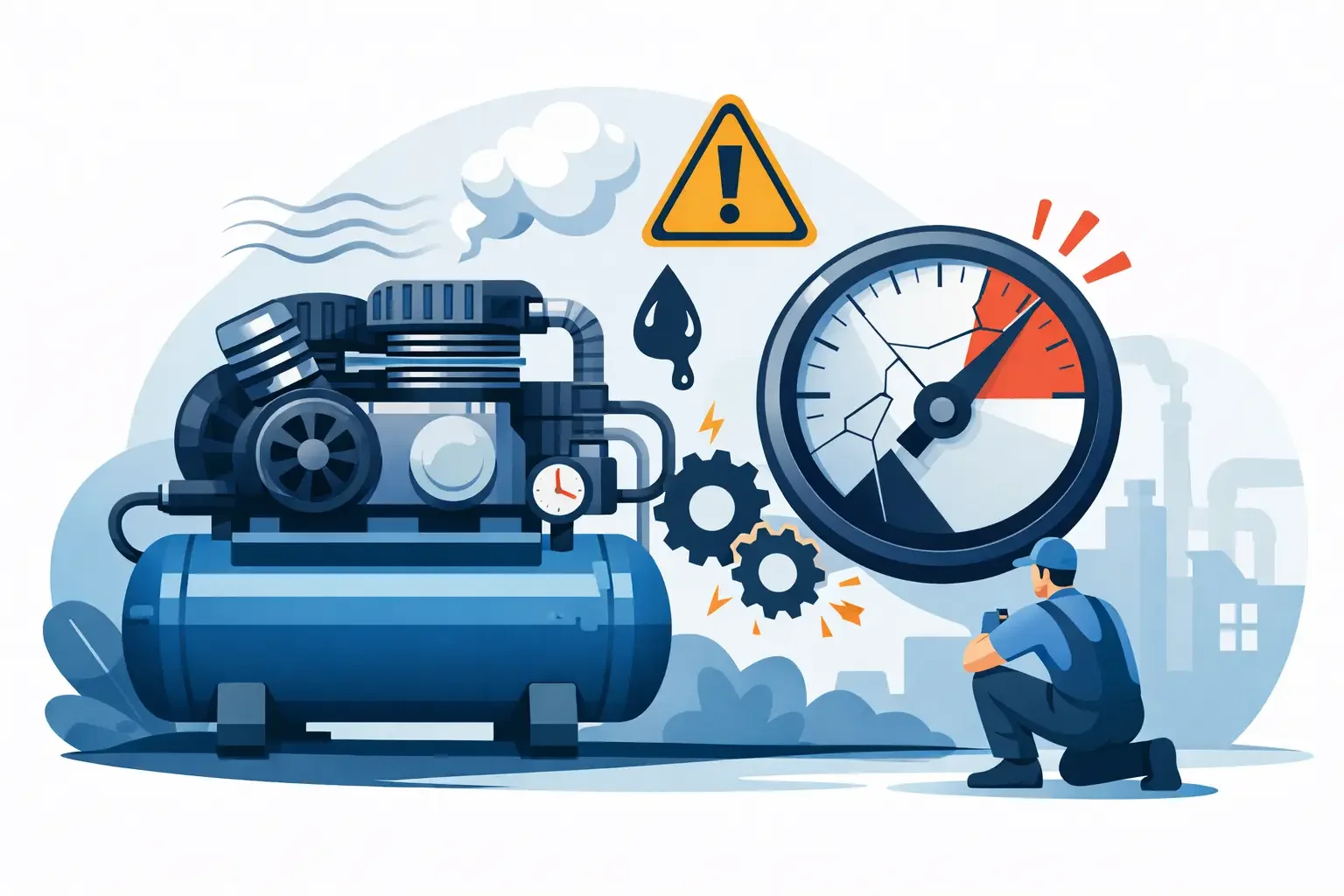
When your AC runs in Las Vegas heat and the house still feels sticky, warm, or uneven, the compressor is one of the first parts worth suspecting. Some of the top signs your compressor is failing show up slowly - longer run times, higher power bills, or strange noises - while others hit all at once with a system that stops cooling when you need it most.
The compressor is the heart of your air conditioner. It pressurizes refrigerant and keeps the cooling cycle moving. When it starts to fail, your whole system feels the strain. That does not always mean you need a full replacement, but it does mean you should not ignore what your AC is telling you.
Why compressor problems matter in Southern Nevada
A struggling compressor is a bigger problem in the desert than it might be in a milder climate. In Las Vegas and Henderson, air conditioners work hard for long stretches, especially during peak summer heat. That kind of demand can turn a small electrical or mechanical issue into a full breakdown fast.
It also affects more than comfort. A failing compressor can drive up energy use, put stress on other components, and shorten the life of the entire system. If you catch the warning signs early, you may be able to repair the issue before it damages the outdoor unit or leads to a much bigger bill.
Top signs your compressor is failing
Some warning signs are obvious. Others can look like a thermostat issue, low refrigerant, or a general airflow problem. That is why honest diagnostics matter. Here are the symptoms homeowners notice most often when a compressor is on its way out.
Your AC is running, but the air is not cold
If the system turns on and air is coming through the vents, but it is not actually cooling the house, the compressor may not be doing its job. You might feel lukewarm air or air that starts cool and then fades off.
This can happen because the compressor is struggling to circulate refrigerant properly. It can also happen when the compressor is overheating and shutting down intermittently. Either way, if your thermostat is set correctly and the filter is clean, weak or warm airflow is a sign worth checking right away.
The outdoor unit is making unusual noises
Air conditioners make some normal operating sounds, but compressors should not clank, grind, rattle loudly, or buzz in a way that sounds harsh or irregular. Hard starting is another red flag. You may hear the unit try to kick on, hesitate, and then either struggle into operation or fail to start at all.
Electrical problems, loose internal parts, or motor issues inside the compressor can all create these sounds. Sometimes the noise is coming from another component, so it depends on the exact sound and where it is coming from. Still, loud startup noises or repeated clicking from the outdoor unit should never be brushed off.
The breaker keeps tripping
A failing compressor can draw too much power when it tries to start. That extra electrical load may trip the circuit breaker, especially during the hottest parts of the day when the system is already working hard.
If resetting the breaker becomes a routine part of using your AC, stop there and have it inspected. Repeated trips are not just annoying. They can point to a serious electrical issue that risks damage to the compressor, capacitor, wiring, or contactor.
Cooling cycles are getting longer and less effective
One of the more subtle top signs your compressor is failing is a system that still cools, just not well. The AC may run much longer than usual to hit the thermostat setting, or it may never quite get there during the afternoon.
Homeowners often notice this before a full failure happens. The house gets cool eventually, but it takes too long. Rooms may feel uneven. Indoor comfort starts slipping even though the system technically still turns on. That slow loss of performance is often how compressor trouble begins.
Your energy bills jump for no clear reason
In Southern Nevada, summer utility bills can already be high, so this sign can be easy to miss. But if your usage habits have not changed and your power bill suddenly climbs, your AC may be losing efficiency.
A weakening compressor has to work harder to deliver the same result. That extra strain shows up in longer run times and higher energy consumption. Rising bills alone do not prove a compressor issue, but combined with weak cooling or noise, they help complete the picture.
The outdoor unit shakes or struggles to start
When a compressor is failing, the condenser unit may shudder at startup. You might hear a humming sound, followed by a delayed start, or the fan may run while the compressor fails to engage properly.
Sometimes this points to a bad start capacitor or another electrical part rather than the compressor itself. That is actually the good news. Not every startup problem means the compressor is dead. A proper diagnosis matters because replacing a smaller part is very different from replacing a major component.
The system overheats and shuts off
Compressors can overheat when they are under heavy stress or when related parts are not working correctly. In that case, your AC may shut down before the house is cool, then restart later after it has had time to cool off.
That stop-and-start pattern can look random to a homeowner. One hour the system works. The next hour it does not. In extreme heat, overheating can turn into a complete failure quickly, especially if airflow problems or low refrigerant are adding pressure to the system.
What causes compressor failure?
Compressors do not usually fail for no reason. Age is one factor, especially in older systems that have been through years of desert summers. But many failures start with something else, like low refrigerant from a leak, dirty coils, electrical issues, poor maintenance, or airflow restrictions that make the system run hotter than it should.
That is why a trustworthy technician should not jump straight to replacement talk. If the root problem is elsewhere, replacing only the symptom will not protect the rest of the system. At Mr. Gates HVAC, the approach is simple: we are repairmen, not salesmen. The goal is to find what is actually wrong and give you a clear path forward.
Repair or replace? It depends on the full system
If the compressor is failing, homeowners usually want a simple answer. Repair it or replace the whole unit. The honest answer is that it depends.
If the system is newer and the rest of the equipment is in good shape, a repair may make sense. If the compressor is under warranty, that changes the math too. But if the unit is older, has a history of repairs, uses outdated refrigerant, or has poor efficiency overall, putting major money into a compressor may not be the smartest long-term choice.
This is where pressure-free advice matters. You should get a recommendation based on system age, repair cost, energy performance, and how long you plan to stay in the home - not on what produces the biggest sale.
What to do if you notice these signs
If your AC is showing compressor warning signs, the best move is to shut the system off if it is making harsh noises, tripping breakers, or struggling badly to start. Letting it keep running can cause more damage.
From there, check the basics. Make sure the thermostat is set properly and the air filter is not clogged. If those are fine, it is time for a professional inspection. Compressor issues are not a good guess-and-see situation, especially during a Las Vegas summer.
Fast service matters here because compressor trouble tends to get worse, not better. The sooner the system is tested, the more options you usually have.
Don’t wait for a complete breakdown
Most compressors give some warning before they quit. Maybe it is warm air at the vents, a breaker that trips twice in one week, or an outdoor unit that suddenly sounds rougher than usual. Those early signs are your chance to deal with the problem before you are stuck in a hot house with a dead AC.
If something feels off, trust that instinct and get it checked. A good technician will tell you what is failing, what can be repaired, and what makes the most sense for your home and budget. That kind of straight answer is worth a lot when the temperature outside is pushing triple digits.