
Why Is My AC Leaking Water?
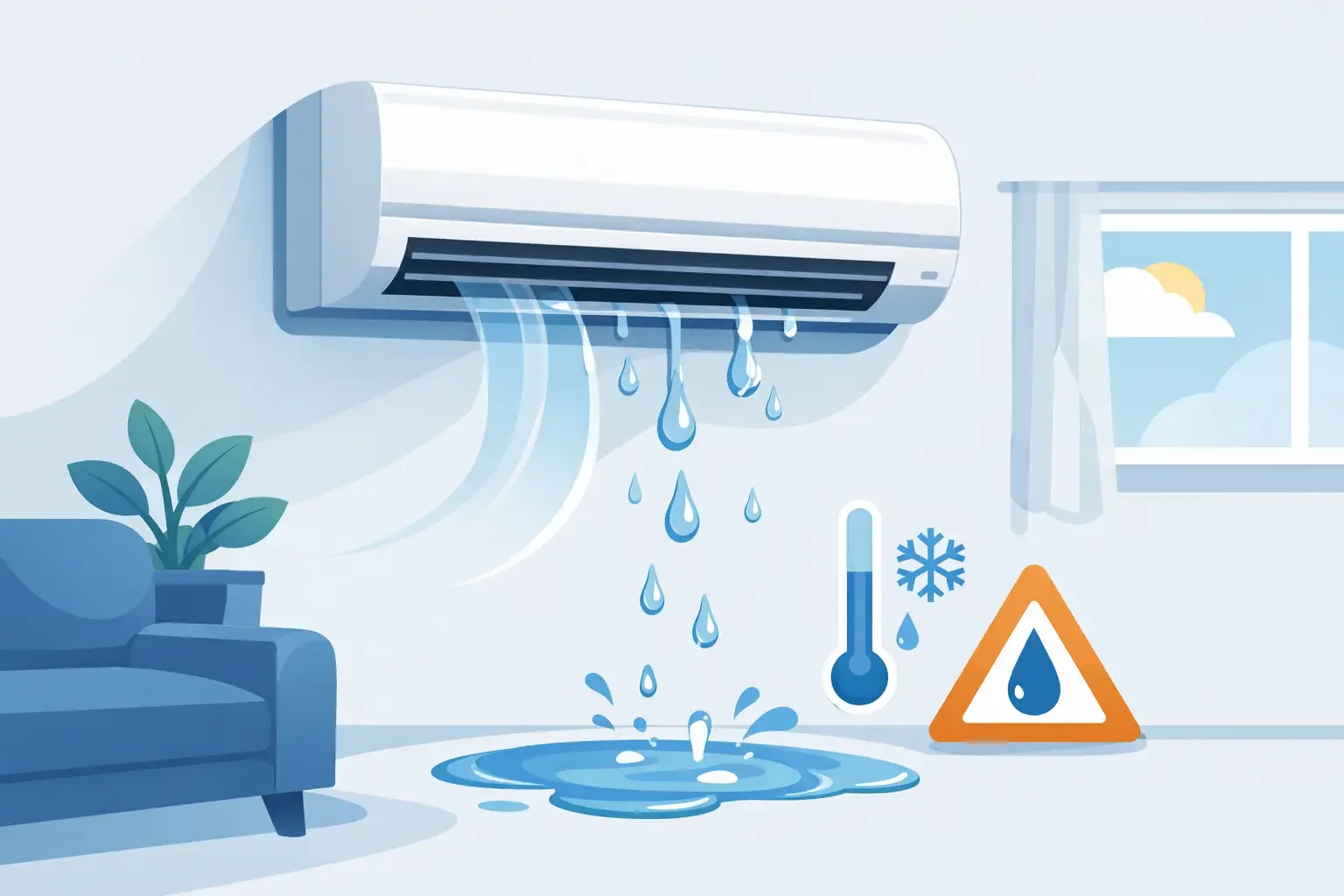
You usually notice it at the worst time - a small puddle by the indoor unit, a damp ceiling spot, or water where your AC should be keeping things dry. If you’re asking, why is my ac leaking, the short answer is that something is stopping moisture from draining the way it should. Sometimes it’s a simple maintenance issue. Sometimes it’s a warning sign that your system needs repair before a small problem turns into water damage.
In Las Vegas and Henderson, your air conditioner runs hard for a big part of the year. That constant workload can expose weak spots fast, especially in older systems or units that have gone too long without service. The good news is that an AC leak does not always mean you need a full replacement. We’re repairmen, not salesmen, and the right fix depends on what is actually causing the leak.
Why is my AC leaking inside the house?
Your AC does more than cool the air. It also removes humidity from your home. As warm indoor air moves across the evaporator coil, moisture condenses and is supposed to drain away through a condensate pan and drain line. If any part of that process gets blocked, damaged, or overwhelmed, water can end up where it should not be.
That means the leak itself is not always the main problem. The leak is often the symptom. The real issue could be a clogged drain line, a dirty air filter, a frozen evaporator coil, a cracked drain pan, low refrigerant, or even a poorly installed unit.
The most common reasons an AC starts leaking
A clogged condensate drain line
This is one of the most common causes of indoor AC leaks. Dust, dirt, algae, and debris can build up in the drain line over time. When that line clogs, the condensed water has nowhere to go and backs up into the drain pan or around the unit.
If your system is still cooling but you see water near the indoor air handler, this is high on the list of likely causes. In many homes, the clog builds slowly, so the leak may seem minor at first and then get worse.
A dirty air filter
A neglected air filter can create more problems than most homeowners realize. When the filter is too dirty, it restricts airflow over the evaporator coil. That can cause the coil to get too cold and freeze. When the ice melts, it can produce more water than the drain system can handle, leading to leaks.
This is one reason a cheap filter change can sometimes prevent a much more expensive repair. In desert climates, where dust is part of daily life, filters often need attention more often than people expect.
A frozen evaporator coil
If the indoor coil freezes, leaking water often shows up later when the ice starts to thaw. A frozen coil usually points to another issue rather than being the root cause by itself. Restricted airflow, low refrigerant, or a blower problem are common reasons.
You might also notice weak airflow, uneven cooling, or the system running longer than usual. If that sounds familiar, water on the floor may just be one part of a larger AC problem.
A damaged or rusted drain pan
The drain pan sits under the evaporator coil and catches condensation before it moves into the drain line. Over time, especially in older units, the pan can rust through, crack, or shift out of place. Once that happens, water can drip directly from the unit.
This is more common in aging systems, and the fix depends on the condition of the rest of the equipment. Sometimes replacing the pan makes sense. Sometimes the age and wear of the unit make a bigger repair conversation worthwhile.
Low refrigerant
Low refrigerant can lead to pressure changes that make the evaporator coil freeze. Then, when the ice melts, the water can overflow the drain setup. If your AC is leaking and also struggling to cool the house, low refrigerant is a real possibility.
This is not a do-it-yourself issue. Refrigerant problems need proper diagnosis, leak detection, and repair by a licensed technician.
Poor installation or an unlevel unit
If the system was not installed correctly, drainage problems can show up early or keep coming back. An unlevel air handler or a poorly connected drain line can cause repeated water leaks even if the rest of the system is in decent shape.
This is one of those situations where the symptom keeps returning until someone addresses the actual setup. Quick patch jobs usually do not hold up for long.
What you can check before calling for service
There are a few safe, practical things homeowners can look at without taking the system apart.
Start with the air filter. If it is visibly dirty, replace it. A clean filter supports proper airflow and can help prevent coil freeze-ups.
Next, turn the thermostat to off if you suspect the coil is frozen. Letting the system rest can help thaw any ice buildup. You may notice extra dripping during this period, so keep towels nearby and watch for overflow.
If your system has a visible condensate drain line, check for signs of blockage around the opening. Some homeowners use a wet/dry vacuum on the outside drain termination to pull out a simple clog, but that depends on the setup and should be done carefully.
Also look around the indoor unit for obvious signs of where the water is coming from. Is it dripping from the drain pan area, pooling underneath, or staining the ceiling around an attic unit? That information can help speed up diagnosis when a technician arrives.
What you should not do is keep running the AC nonstop and hope the leak goes away. Water damage adds up fast, and if the underlying issue is a frozen coil or refrigerant problem, continued operation can make repairs more involved.
When a leaking AC is more than a small inconvenience
A little water can seem harmless until it ruins flooring, drywall, insulation, or a ceiling below an attic unit. Even in our dry climate, indoor moisture where it does not belong can create bigger home issues if ignored.
Call for service sooner rather than later if the leak is recurring, the system is not cooling properly, the air filter was not the issue, or you see signs of ice on the refrigerant line or indoor coil. The same goes for any leak coming from a newer system that should not be having drainage trouble in the first place.
An AC leak can also shut your system down completely if a safety switch trips. That switch is there for a reason - to stop overflowing water before it causes major damage. If the unit suddenly stops and there is water near the air handler, that is not a coincidence.
Why AC leaks are common during heavy use
In Southern Nevada, air conditioners work long hours through intense heat. The harder a system runs, the more condensation it produces and the more stress it puts on parts like filters, coils, drain lines, and pumps.
That does not mean leaks are normal. It means small maintenance issues get exposed faster here. A drain line that might limp along for months in a milder climate can turn into a service call much sooner when your AC is running day and night.
This is also why regular maintenance matters. A tune-up is not just about efficiency. It gives a technician a chance to clear the drain line, inspect the drain pan, check refrigerant levels, and catch the kind of problems that lead to leaks before water shows up inside your home.
Repair or replace? It depends on the cause
If you are worried that leaking water means your AC is done for, take a breath. Many leaks come down to repairable issues like a clogged line, frozen coil from airflow problems, or a failing drain component.
Replacement becomes more likely when the unit is older, leaking repeatedly, low on refrigerant because of coil damage, or stacking one repair on top of another. The right answer depends on the age of the system, the cost of repair, and how well it has been cooling overall.
That is where honest diagnostics matter. A good technician should explain what failed, what it will take to fix it, and whether the repair makes financial sense. At Mr. Gates HVAC, that approach is simple: fix what can be fixed, and do not push what you do not need.
If you’re wondering why is my AC leaking, act early
Water around your AC is never something to brush off. Sometimes the fix is straightforward. Sometimes the leak is your first clue that airflow, refrigerant, or installation issues are building behind the scenes. Either way, the sooner the cause is identified, the better your chances of avoiding bigger repairs and damage inside the house.
If something looks off, trust that instinct. A quick check today can save your comfort, your ceiling, and a much more stressful repair call tomorrow.