
Homeowner Guide to Emergency AC Repair
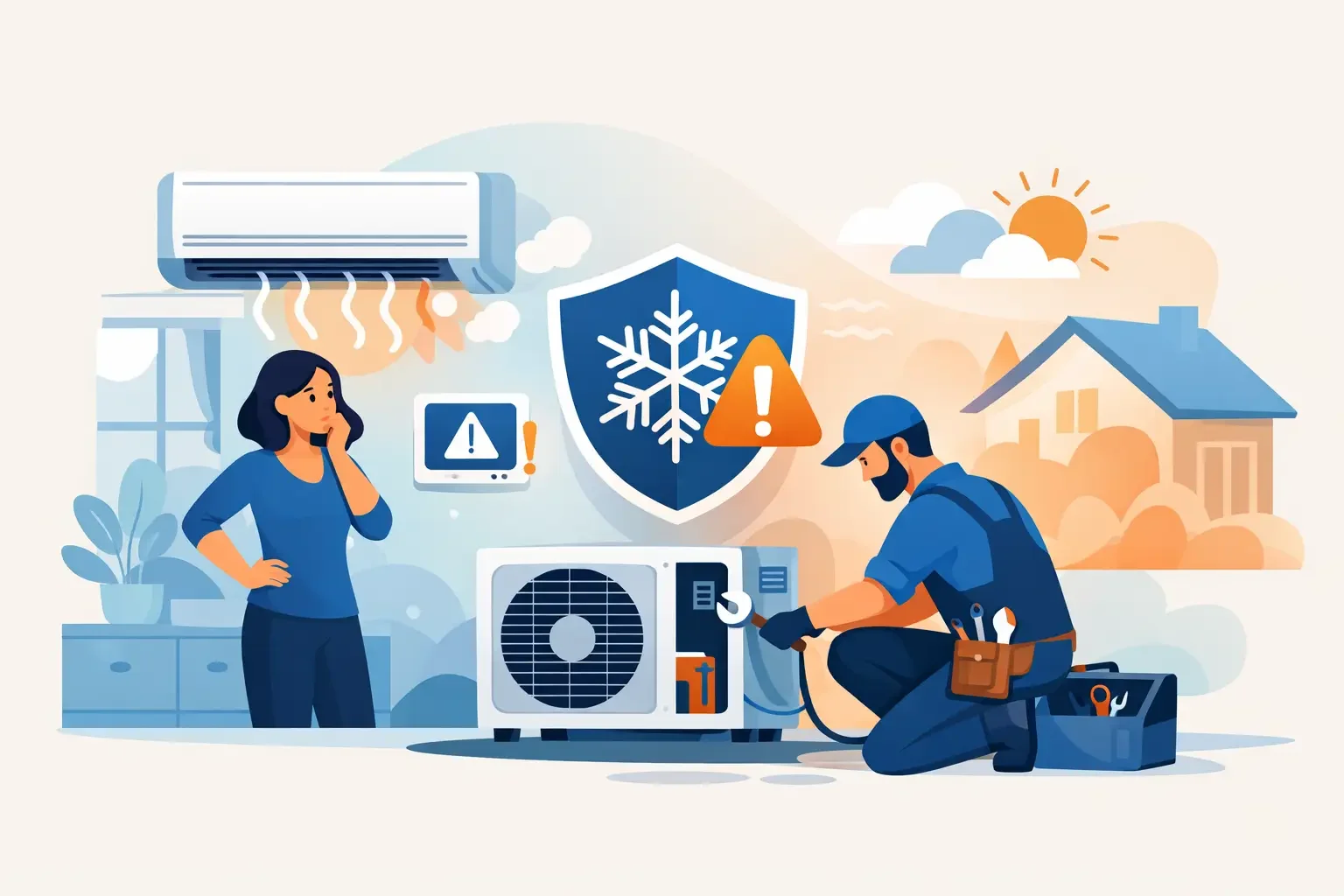
It is 7 p.m., the house is getting hotter by the minute, and your AC just stopped pushing cold air. In Southern Nevada, that is not a small inconvenience. A homeowner guide to emergency AC repair starts with one simple truth: some problems can wait until morning, and some cannot.
When outdoor temperatures stay brutal well into the evening, a failed air conditioner can turn into a safety issue fast, especially for kids, older adults, pets, or anyone with health concerns. The goal is not to guess your way through a major HVAC problem. It is to stay safe, protect your system from further damage, and know when it is time to call for real repair instead of risking a bigger bill later.
When AC trouble becomes an emergency
Not every AC issue is an after-hours emergency. If the system is cooling a little less efficiently than usual but still running, you may have some time to schedule a standard service call. But if the unit stops cooling completely during extreme heat, trips the breaker repeatedly, gives off a burning smell, leaks heavily, or will not turn on at all, that moves into emergency territory.
For Las Vegas and Henderson homeowners, the weather matters. A mild spring afternoon gives you more flexibility than a triple-digit evening in July. The same problem can have very different urgency depending on the temperature inside the home, who lives there, and how quickly conditions are getting worse.
There is also a difference between discomfort and risk. Warm air from the vents is frustrating. A house climbing into unsafe indoor temperatures is something else. If anyone in the home is vulnerable to heat, it makes sense to act sooner.
First steps in a homeowner guide to emergency AC repair
Before you call for service, there are a few things worth checking. These are not deep repairs. They are basic homeowner steps that can rule out simple issues and help you explain the problem clearly.
Start with the thermostat. Make sure it is set to cool, not fan, and lower the temperature setting by a few degrees. Dead batteries in the thermostat can also create confusion, especially if the screen is blank or acting strangely.
Next, check the air filter. A severely clogged filter can restrict airflow enough to cause poor performance or even system shutdown in some cases. If the filter looks packed with dust, replacing it is a smart move. It may not solve every emergency, but it is one of the few easy fixes that homeowners can safely handle on their own.
Then look at the breaker panel. If the AC breaker has tripped once, you can reset it one time. If it trips again, stop there. Repeated breaker trips usually point to an electrical or mechanical problem that needs a technician. Constantly resetting it can make things worse.
Go outside and look at the condenser unit. If it is buried in leaves, plastic, or yard debris, clear the area around it. If the system is frozen and you see ice on the refrigerant line or outdoor unit, turn the AC off and switch the fan on if possible. Running a frozen system can damage major components.
These checks matter because they can save time, but they also have limits. If your AC is making loud grinding sounds, smells burnt, or is not responding after these basics, it is time for professional help.
What you should never do during an AC emergency
This is where a lot of homeowners accidentally turn a repair into a bigger repair. It is understandable. When the house is heating up, people want to try something. But HVAC systems combine electricity, moving parts, refrigerant, and expensive components. Guesswork is rarely worth it.
Do not open electrical panels or try to test wiring yourself. Do not keep forcing a unit to run if it is short cycling, buzzing, or tripping breakers. Do not scrape ice off coils or try to add refrigerant from a store-bought product. And do not assume the problem is minor just because the system starts again for a few minutes.
Temporary operation does not mean the issue is gone. In fact, some failing parts work off and on before they quit completely. Capacitors, motors, contactors, and drain problems can all show up that way.
Common emergency AC problems in Southern Nevada
Desert heat puts air conditioners under real strain. Systems in this area often run hard for long stretches, and that exposes weak components fast.
One common issue is a failed capacitor. When that happens, the system may hum, struggle to start, or stop cooling altogether. Another is a bad fan motor, which can prevent heat from leaving the system properly. Low refrigerant is another possibility, but it is not something a system simply uses up. If refrigerant is low, there is usually a leak that needs to be found and repaired.
Clogged condensate drains can also create problems, especially if safety switches shut the system down to prevent water damage. Dirty coils, worn contactors, blown fuses, and thermostat failures are also common service-call issues.
The tricky part is that several different problems can look the same from inside the house. You may only notice warm air, weak airflow, or no cooling at all. That is why honest diagnostics matter. The fix should come from testing and inspection, not from a sales pitch.
How to protect your home while you wait for repair
If you are waiting on an emergency technician, focus on keeping the indoor temperature manageable. Close blinds and curtains on sunny windows. Avoid using the oven, dryer, or anything else that adds heat to the home. Use ceiling fans or portable fans to keep air moving, but remember that fans help people feel cooler - they do not actually lower room temperature.
If some rooms stay cooler than others, keep family members and pets in those areas. Drink water regularly. If indoor conditions become unsafe, especially for seniors, infants, or anyone with a medical condition, it may be smarter to leave the home temporarily rather than wait it out.
This is also a good time to make access easy for the technician. Clear the area around the indoor unit and outdoor condenser if you can do it safely. If you know when the issue started, whether the breaker tripped, or what sounds you heard, that information can speed up diagnosis.
What to expect from a good emergency AC repair visit
A proper emergency service call should feel clear and straightforward. The technician should inspect the system, explain what failed, and walk you through your options in plain language. You should know whether the repair is minor, whether another part is at risk, and whether the cost makes sense compared to the age and condition of the unit.
That last part matters. Sometimes repair is clearly the right move. Sometimes a very old system with repeated breakdowns may be getting close to replacement territory. But the answer should come from the facts, not pressure. If a company jumps straight to replacement without a real diagnosis, homeowners are right to be skeptical.
At Mr. Gates HVAC, that is why the message is simple: we are repairmen, not salesmen. In an emergency, people need answers and working air, not a rehearsed upsell.
Repair or replace? It depends
A homeowner guide to emergency AC repair would be incomplete without talking about this question, because it comes up all the time. The honest answer is that it depends on the repair cost, system age, energy efficiency, and how often the unit has needed service.
If your AC is newer and the problem is a capacitor, contactor, drain line issue, or a single failed motor, repair is often the smart path. If the system is older, uses outdated refrigerant, and has had multiple major issues over the last couple of summers, replacement may deserve a serious look.
Still, emergency situations are not ideal for rushed decisions. If the system can be repaired safely and reasonably, many homeowners prefer to get cooling restored first and evaluate long-term options after the immediate crisis is over. That is often the calmer and more practical way to make a big home decision.
How to lower your chances of the next emergency
The best emergency repair is the one you never need. That does not mean you can prevent every breakdown, but regular maintenance gives you a much better shot. Seasonal tune-ups can catch weak capacitors, dirty coils, airflow restrictions, loose electrical connections, and drainage issues before they become after-hours failures.
Changing filters on schedule also helps more than most people realize. Good airflow keeps strain off the system. Keeping the outdoor unit clear and paying attention to early warning signs like unusual noises, weak cooling, longer run times, or rising power bills can also give you a head start.
In Southern Nevada, AC systems do not get much margin for error. Small problems can become big ones fast when the heat settles in.
If your air conditioner quits during a Las Vegas heat wave, the smartest move is not panic and it is not DIY heroics. Check the safe basics, protect the people in your home, and get help from a technician who will tell you the truth about what is wrong and what it will take to fix it.